 Pin it
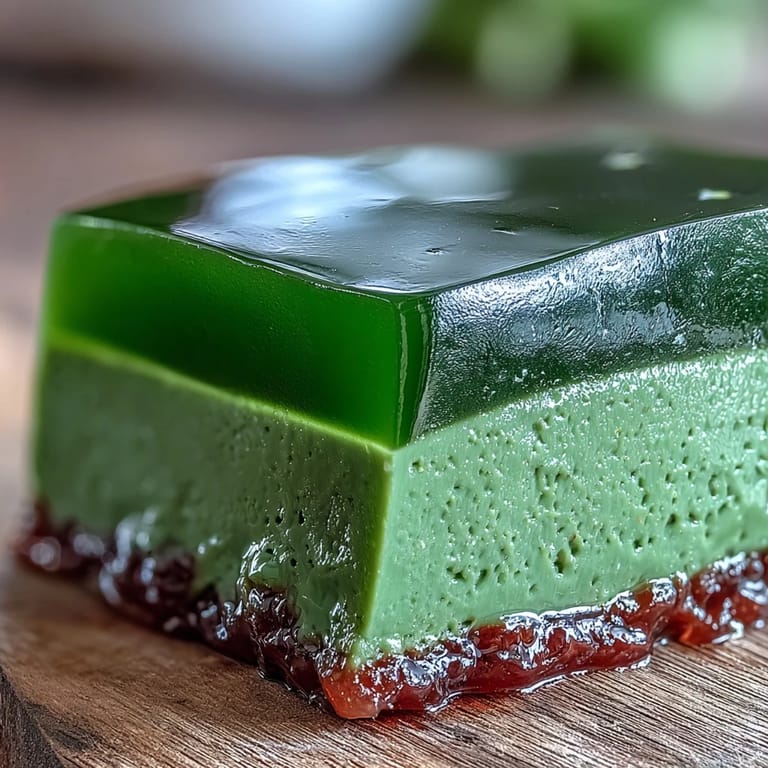
 Steam from the saucepan curled around my face as I stirred the glossy red bean paste into dissolved agar-laced water, filling my kitchen with the earthy aroma of anko. I never expected something so elegantly Japanese to come together so quietly on my countertop, but yokan became my rainy afternoon project one spring, when I was after something meditative and sweet. My first success came by pure accident—my impatience meant the second layer went on a bit warm, creating a gentle swirl between matcha and bean that I pretended was intentional. These days, I find the careful pouring almost hypnotic, and I always look forward to slicing through the distinct layers. If you want a dessert that feels both delicate and theatrical, this is your perfect opportunity to play with color, texture, and taste in one beautiful jelly.
I once made this for my friend Yuki’s birthday when we were still students and living in cramped apartments, and the way she grinned at that bright-green matcha stripe against the muted red left me feeling like a magician. We perched on milk crates, shared slices, and watched the city light up through rain-dappled windows—Japanese confectionery, makeshift style. Even now, every time the jelly slips cleanly from its mold, I remember how she insisted we eat every last wobbly cube, saying it could “heal study stress.” There’s something about eating yokan with someone else that makes the process even sweeter. Maybe it’s the anticipation—everyone waits for the reveal, and you never know how perfect those layers will slice until the very end.
Ingredients
- Sweetened red bean paste (anko, koshian): Smoother varieties like koshian melt easily into the jelly and give a luxurious mouthfeel, so try to avoid chunky tsubuan if you want that perfect slice.
- Water: Used to bloom the agar and to infuse both jelly layers—measured carefully, it controls the final firmness and mouthfeel.
- Agar-agar powder: Agar sets quickly and cleanly at room temperature, but I learned the hard way it clumps if not fully dissolved, so whisk thoroughly in simmering water.
- Matcha green tea powder: Sift the matcha for a lump-free, brilliant green layer and lean on higher-grade matcha for better flavor and color.
- Sugar: Just enough to balance the subtle bitterness of matcha—taste and adjust for your own preferred level of sweetness in the green layer.
Tired of Takeout? 🥡
Get 10 meals you can make faster than delivery arrives. Seriously.
One email. No spam. Unsubscribe anytime.
Instructions
- Set the red bean base:
- Combine water and agar-agar in a saucepan, then gently simmer while stirring—keep your eyes peeled, since agar dissolves suddenly and a whisk makes all the difference.
- Add the anko:
- Lift the pot from the heat and whisk in sweetened bean paste; the mixture turns silky and deep brown, and a rubber spatula will help catch any stubborn bits on the side.
- Pour, cool, and set lightly:
- Transfer to a rectangular mold, skim any bubbles off for a glassy finish, and let it cool for about ten minutes before placing it in the refrigerator to set partially.
- Simmer matcha layer:
- In a clean pan, combine new water and agar-agar, bringing to a simmer—get close so you don’t overboil, then add sugar and sifted matcha, whisking until the color is vivid and the powder fully dissolves.
- Layer the matcha:
- Let the mixture cool until only warm (not hot to the touch), then gently pour over the red bean layer, aiming for even coverage without disturbing the base.
- Chill to set:
- Return the whole mold to the fridge for at least an hour—you’ll see the matcha turn perfectly opaque as it sets.
- Unmold and slice:
- Once firm, run a thin knife along the edge, invert (with crossed fingers), and slice into bars or squares for serving—wiping the blade with a damp towel after each cut helps you keep those clean lines.
 Pin it
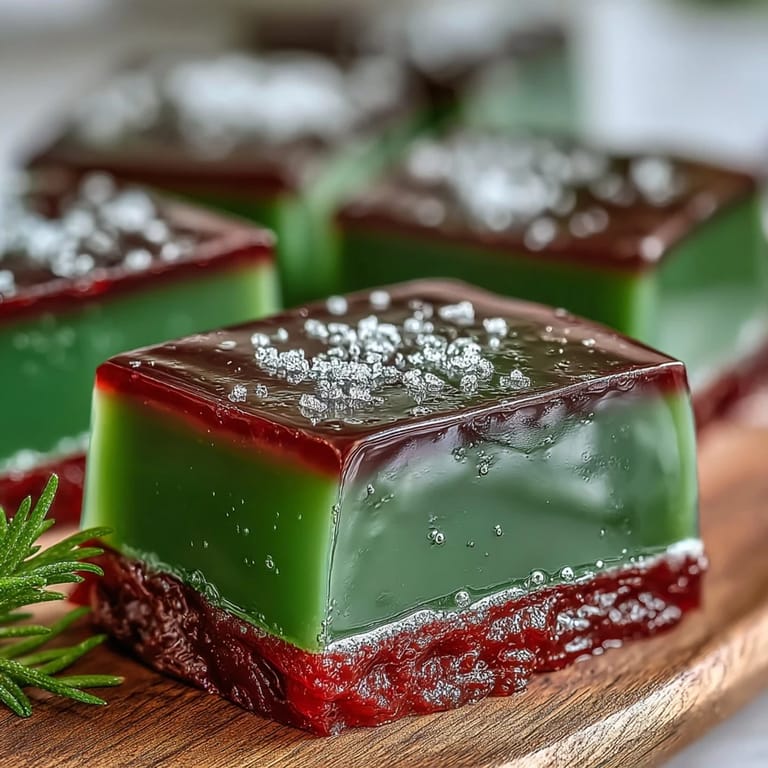
 The first time I brought a platter of yokan squares to a late summer picnic, everyone assumed I’d bought them at a shop. Watching faces shift from curiosity to delight as the subtle tea notes blossomed in their mouths felt like sharing a secret. Something about making a tiny slice of Japan from just a handful of ingredients made me feel at home, even halfway across the world. Yokan became more than a dessert—it was my gesture of care, and my bridge between cultures. Don’t be surprised if yours gets devoured before the tea is even poured.
Agar and Texture Tweaks
If you have a preferred jelly firmness, don’t be afraid to play with your agar quantities. A gram or two less gives a softer, almost custardy give, while a bit more sets the jelly firmer and snappier. I started testing this after my second batch became too stiff to slice without cracking. My advice: start with the recipe, then make it your own once you get a feel for it. Be wary of adding extra water or you might lose those razor-sharp layers.
Getting That Clean Layer Separation
Layering is where patience pays off. If you’re in a rush and pour the next layer too soon or too roughly, you risk unintentionally marbling the two jellies—beautiful in its own right, but not the classic look. I often set a timer and feel the top with my fingertip before adding the matcha, waiting until it’s nearly set with just a faint jiggle left. A wide spoon helps diffuse the pour to avoid heavy drops breaking the red bean surface. This step is oddly meditative, so enjoy the pause and breathe in that warm, sweet aroma while you wait.
Serving and Storage Secrets
Nothing beats yokan served well-chilled, especially with a cup of hot tea to contrast its sweetness. It keeps for days in the fridge—just cover it tightly so it doesn’t absorb stray fridge odors or dry out. For a fancier presentation, I sometimes cut the pieces with dampened cookie cutters for pretty shapes, or dust with a touch of extra matcha before serving. Just remember it’s best enjoyed cold and sliced right before serving for maximum shine and bounce.
- Use a sharp knife dipped in warm water to get perfect cubes.
- Let the yokan rest at room temperature for 5 minutes before slicing to avoid cracks.
- Tidy up the edges of each piece for positively photogenic results.
 Pin it
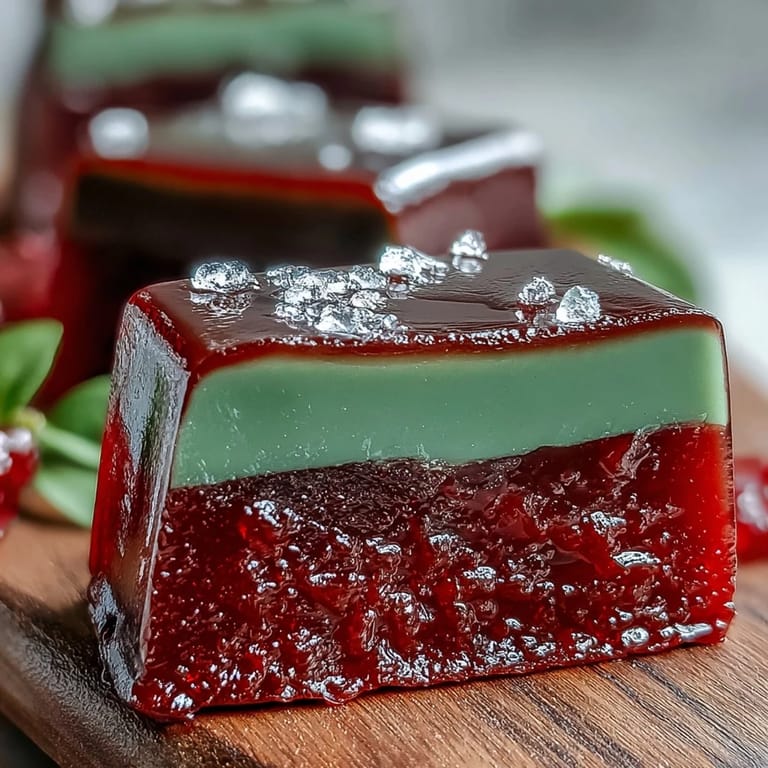
 Yokan always brings a little ceremony to the table, whether you’re sharing it with friends or slicing a few pieces for your own quiet treat. I hope your first (or fiftieth) batch brings the same quiet delight to your kitchen as it does to mine.
Recipe FAQs
- → Can agar-agar be adjusted for texture?
Yes. Increase agar slightly for a firmer, more gelatinous slice; reduce a small amount for a softer, silkier mouthfeel. Make changes in small increments to avoid over-firming.
- → How can I prevent lumps in the matcha layer?
Sift the matcha before adding and whisk it into warm (not boiling) agar liquid. A fine sieve and vigorous whisking or a small frother helps achieve a smooth, lump-free finish.
- → Is there a substitute for sweetened red bean paste?
You can use homemade anko (koshian for smooth texture) or a high-quality store-bought smooth paste. Adjust water and agar slightly if using a denser paste to maintain the right set.
- → How long should the layers chill between pours?
Chill the red bean layer about 30 minutes until lightly set but still tacky so the matcha adheres. Pour the matcha when warm but not hot to avoid melting the base, then chill fully to firm.
- → What is the best way to slice and serve yokan?
Run a sharp knife under hot water and dry it before slicing for clean edges. Cut into bars or squares and serve chilled; keep refrigerated and consume within 3–4 days for best texture.
- → Can I use gelatin instead of agar-agar?
Gelatin yields a softer, less brittle set and is not vegan. If substituting, bloom gelatin in cold water and adjust quantity—test a small batch to match desired firmness.