 Pin it
 There's something about the smell of cinnamon rolls baking that stops time. Years ago, I stood in my kitchen at dawn, unable to sleep, and decided to make them from scratch—not because I had guests coming, but because I needed something warm and alive in my hands. Four hours later, the house smelled like every good memory I could imagine, and somehow that made everything feel manageable again.
My neighbor knocked on my door one Saturday while I was pulling the second batch from the oven. She'd smelled them from her kitchen and just wanted to know if it was humanly possible to make them at home. An hour later, we were sitting at my counter with warm rolls and coffee, and she admitted that store-bought versions always felt like they were trying too hard. These just tasted like care.
Ingredients
- All-purpose flour (4 cups): The structure of everything—use good quality if you can, since it makes kneading smoother.
- Active dry yeast (1 packet): The magic starter; always check the expiration date because stale yeast leaves you with flat, sad dough.
- Whole milk, lukewarm (1 cup): Lukewarm means around 110°F—warm enough to wake up the yeast, not so hot that it kills it.
- Granulated sugar (⅓ cup): Feeds the yeast and sweetens the dough just enough without making it cloying.
- Unsalted butter, melted (¼ cup): Creates that tender crumb; melted is important because it distributes evenly through the dough.
- Large egg, room temperature (1): Binds everything and adds richness to the final texture.
- Salt (½ tsp): Don't skip this—it balances sweetness and strengthens gluten development.
- Brown sugar, packed (½ cup): The filling's sweetness; packed means press it into the measuring cup so you get the real amount.
- Ground cinnamon (2 tbsp): The star flavor; buy it fresh if possible because cinnamon loses its punch over time.
- Unsalted butter, softened (¼ cup): Spreads smoothly without tearing the dough; softened means it yields slightly when pressed, not melted or cold.
- Powdered sugar (1 cup): The glaze base; sift it if it's lumpy so the glaze stays smooth and beautiful.
- Milk (2–3 tbsp): Thins the glaze to the right consistency—add slowly until it drizzles like silk.
- Pure vanilla extract (½ tsp): The finishing note that makes everything taste complete.
Tired of Takeout? 🥡
Get 10 meals you can make faster than delivery arrives. Seriously.
One email. No spam. Unsubscribe anytime.
Instructions
- Wake the yeast:
- Pour lukewarm milk into a small bowl and sprinkle the yeast over it. Wait five minutes and you'll see bubbles forming on the surface—that's the yeast coming alive and telling you it's ready to work.
- Build the dough:
- Mix flour, sugar, and salt in your large bowl. Add the melted butter, egg, and yeast mixture, then stir until everything comes together into a shaggy mass that's just beginning to hold itself.
- Knead until smooth:
- Turn the dough onto a lightly floured surface and knead for eight to ten minutes. You'll feel it transform under your hands—it starts sticky and resistant, then gradually becomes elastic and smooth, almost buttery to the touch.
- First rise:
- Place the dough in a greased bowl, cover it loosely with a kitchen towel, and let it sit in a warm spot for an hour. It should roughly double in size; you'll see it gently pushing against the towel.
- Flatten and fill:
- Punch down the dough—this is satisfying and necessary for releasing excess gas. Roll it into a 16-by-12-inch rectangle, spread softened butter across it, then mix and sprinkle the brown sugar and cinnamon evenly over the butter.
- Roll and slice:
- Starting from the long side, roll the dough tightly toward you, creating a long log. Use a serrated knife or dental floss to slice it into twelve equal pieces; floss works beautifully because it doesn't crush the dough like a knife sometimes does.
- Second rise:
- Arrange the rolls in a greased baking dish, cover loosely, and let them rise for thirty to forty-five minutes until they're puffy and touching each other slightly.
- Bake until golden:
- Preheat the oven to 350°F and bake for twenty-two to twenty-five minutes. They're done when the tops are golden brown and a gentle poke springs back slowly.
- Glaze while warm:
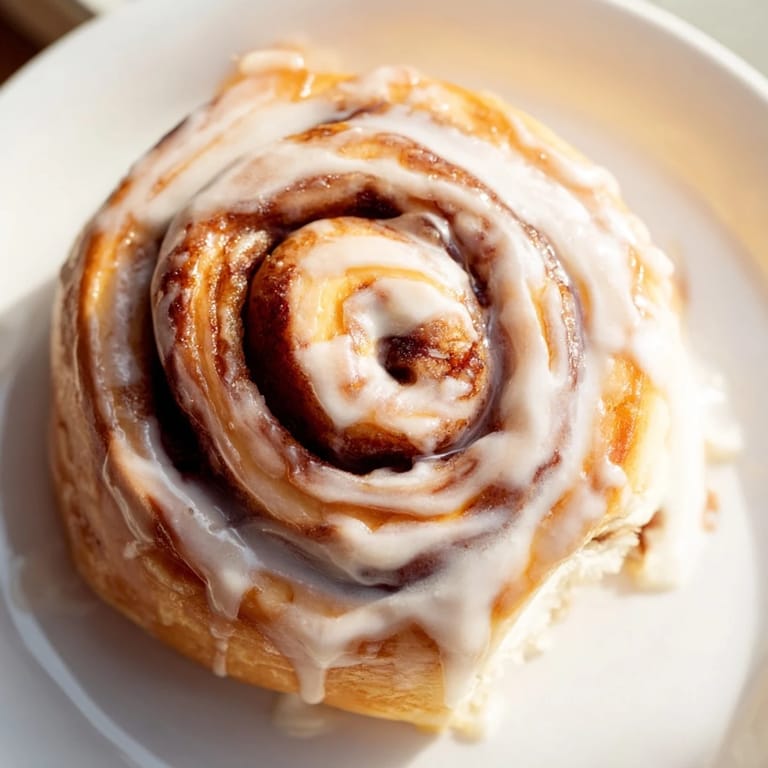
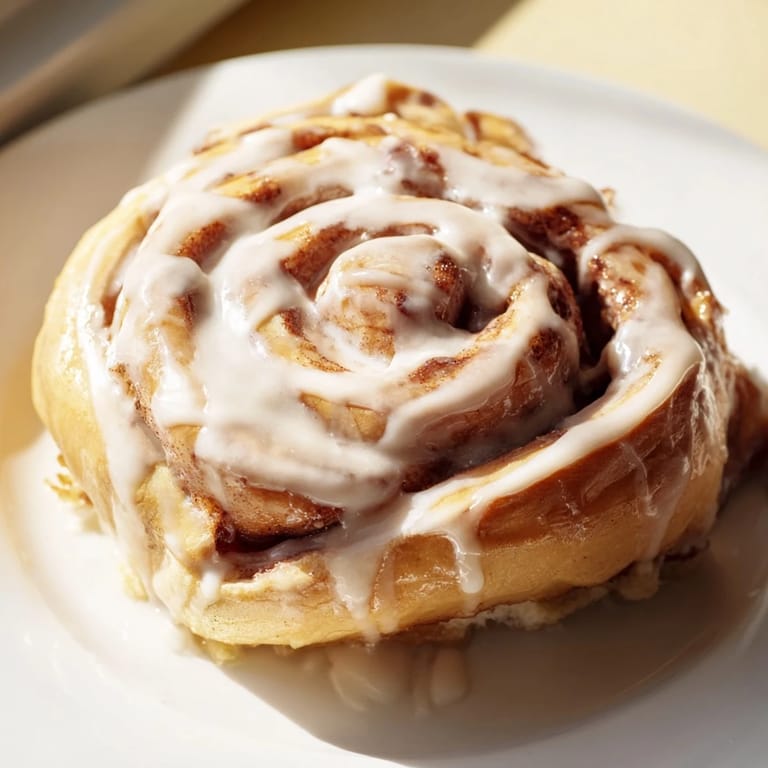
- Whisk together powdered sugar, milk, and vanilla until smooth and pourable. Drizzle the glaze over the warm rolls while they're still releasing steam—it will melt into all the crevices.
 Pin it
 One winter afternoon, my daughter helped me make these and got more cinnamon sugar on her face than on the dough. We laughed the whole time, and when they came out of the oven, she said they tasted better because we'd had fun. She was probably right.
The Science of Softness
The softness of a perfect cinnamon roll comes from three things working together: enough fat in the dough to tenderize it, enough sugar to keep it moist, and enough time for the yeast to create air pockets. Rushing the rise means missing those pockets, and your rolls become dense instead of cloud-like. The second rise is shorter because the dough is already mature and doesn't need as much time to triple—just enough to become tender and pillowy again before hitting the oven.
Why the Filling Matters More Than You'd Think
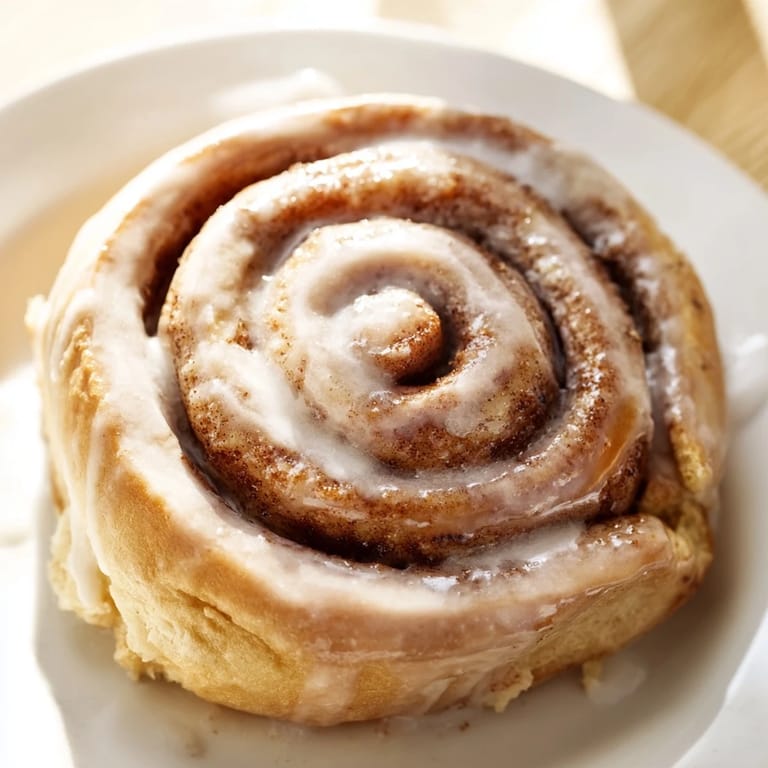
The filling isn't just sugar and spice sprinkled on top; it's the entire reason someone prefers homemade to store-bought. Real cinnamon tastes alive compared to the stale version gathering dust in a cabinet, and brown sugar adds a molasses complexity that granulated can't touch. The butter underneath acts as a barrier that keeps the filling from soaking into the dough and disappearing, while also creating those little pockets of caramelized sweetness that make the swirl irresistible.
Make-Ahead Strategy and Storage
You can shape these rolls the night before, cover them in plastic wrap, and refrigerate them. In the morning, let them come to room temperature for about thirty minutes, then proceed with the second rise and bake as normal. Overnight rising actually deepens the flavor, giving the dough time to develop complexity. Leftovers keep covered at room temperature for a day, and reheating them gently in a 300°F oven for five minutes brings back their softness without drying them out.
- Freeze unbaked rolls on a baking sheet, then transfer to a freezer bag for up to three months; bake from frozen, adding five extra minutes.
- The glaze is best applied to warm rolls, but you can store it covered and drizzle again if rolls are reheated.
- Room temperature milk is non-negotiable for yeast activation, so always take your milk out ahead of time.
 Pin it
 Cinnamon rolls are one of those recipes that teach you something about patience and presence every time you make them. They're worth the care.
Recipe FAQs
- → How do I achieve soft and fluffy buns?
Ensure the dough is kneaded well until smooth and elastic. Allow enough rising time in a warm place to develop airiness.
- → What is the best way to roll and slice the dough?
Roll the dough into a rectangle, spread filling evenly, then roll tightly from the long side before slicing with a serrated knife or dental floss.
- → Can I customize the filling?
Yes, adding chopped nuts or raisins to the cinnamon sugar mixture adds texture and flavor variations.
- → How is the vanilla glaze prepared?
Mix powdered sugar with milk and pure vanilla extract until smooth and drizzle over warm rolls after baking.
- → What tools are essential for making these buns?
A large mixing bowl, rolling pin, baking dish, serrated knife or dental floss, and whisk are recommended for best results.
- → Can these buns be stored and reheated?
They’re best enjoyed fresh but can be gently reheated to restore softness if leftover.