 Pin it
 There's something about the smell of potatoes boiling that makes you feel like you're cooking something that matters. My mom used to leave the pot lid slightly ajar so the steam would drift through the kitchen, and I'd know exactly when they were getting close to done just by that earthy, starchy warmth filling the air. Making mashed potatoes is one of those dishes that feels humble until you taste it, and then you realize it's actually the most comforting thing you could have made. The magic happens in those few minutes after draining, when the butter melts into the hot potatoes and everything transforms into something creamy and alive.
I made these for a dinner party once when I was trying to impress someone, and I got so nervous about getting them perfect that I stood there mashing with this intense focus, like I was performing surgery. My friend walked in, laughed, and said, "They're potatoes, not a soufflé," which somehow made the whole thing easier. When we sat down to eat, everyone went quiet for a moment—that specific kind of quiet that only happens when food is genuinely good—and I realized that perfect mashed potatoes aren't about technique, they're about care.
Ingredients
- Yukon Gold or Russet potatoes (2 lbs): Yukon Golds have a natural buttery flavor and creamy texture that makes the mashing easier, while Russets are starchier and fluffier if you prefer that quality. I've learned that mixing the two gives you the best of both worlds, but go with whichever you find freshest.
- Unsalted butter (4 tbsp): Room temperature butter whisks in smoothly without creating lumps, and unsalted lets you control the salt level so you're not overshooting it.
- Whole milk, warmed (1/2 cup): Warm milk blends in faster and doesn't cool down your hot potatoes, which means you get that silky consistency without extra work.
- Salt and freshly ground black pepper (1 tsp salt plus 1/4 tsp pepper): The salt goes into the boiling water first to season the potatoes from the inside, then you adjust at the end once you've added everything else.
- Heavy cream or sour cream (2 tbsp, optional): This is the secret move if you want them restaurant-level creamy; sour cream adds a slight tang that people can't quite identify but love.
- Fresh chives or parsley (for garnish): A small handful of chopped herbs on top adds brightness and makes the whole dish look like you cared about presentation.
Tired of Takeout? 🥡
Get 10 meals you can make faster than delivery arrives. Seriously.
One email. No spam. Unsubscribe anytime.
Instructions
- Prep and salt your water:
- Fill a large pot with cold water, add a generous pinch of salt, and bring it to a rolling boil. The cold start matters because it gives the potatoes even heat from the bottom up, and salting the water is your first chance to season them properly.
- Add and simmer the potatoes:
- Cut your potatoes into roughly equal chunks (about 2 inches), drop them in once the water boils, and let them simmer for 15 to 20 minutes. You'll know they're done when a fork slides through without any resistance, and they should look slightly translucent at the edges.
- Drain thoroughly and let them rest:
- Pour them into a colander and let them sit for a couple minutes so excess moisture evaporates. This is not the time to rush—dry potatoes mash better and won't turn gluey, so take a breath and give them that moment.
- Combine butter and milk:
- Return the drained potatoes to the warm pot, add the room-temperature butter and warm milk all at once, and start mashing. You'll feel the texture change almost immediately as the butter melts and the milk absorbs into the potatoes.
- Mash to your desired smoothness:
- Some people like theirs completely silky, others prefer a rustic texture with small chunks—there's no wrong answer here. If you want ultra-smooth, use a potato ricer, which pushes them through tiny holes and creates an almost impossibly creamy result.
- Season and finish:
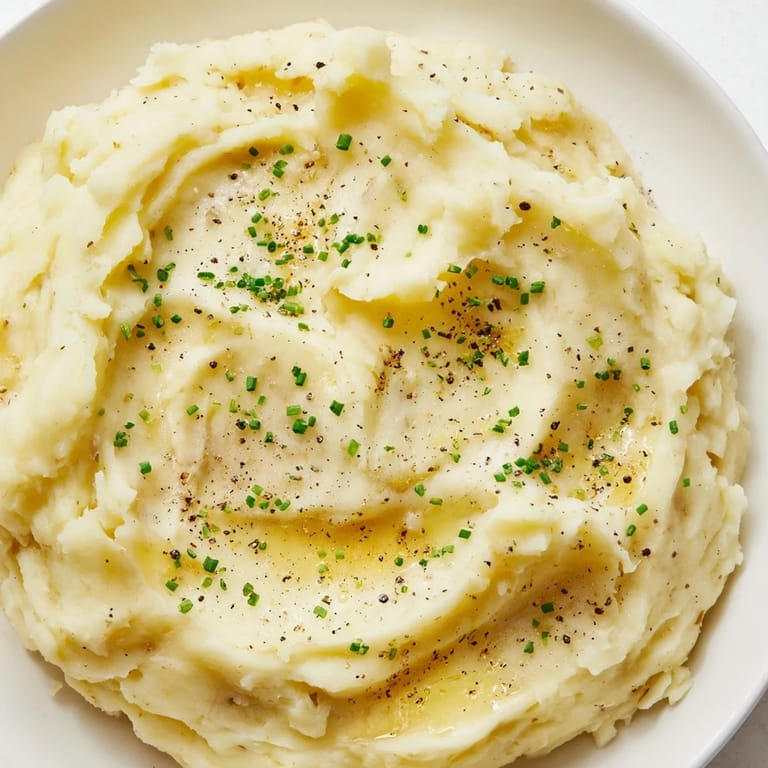
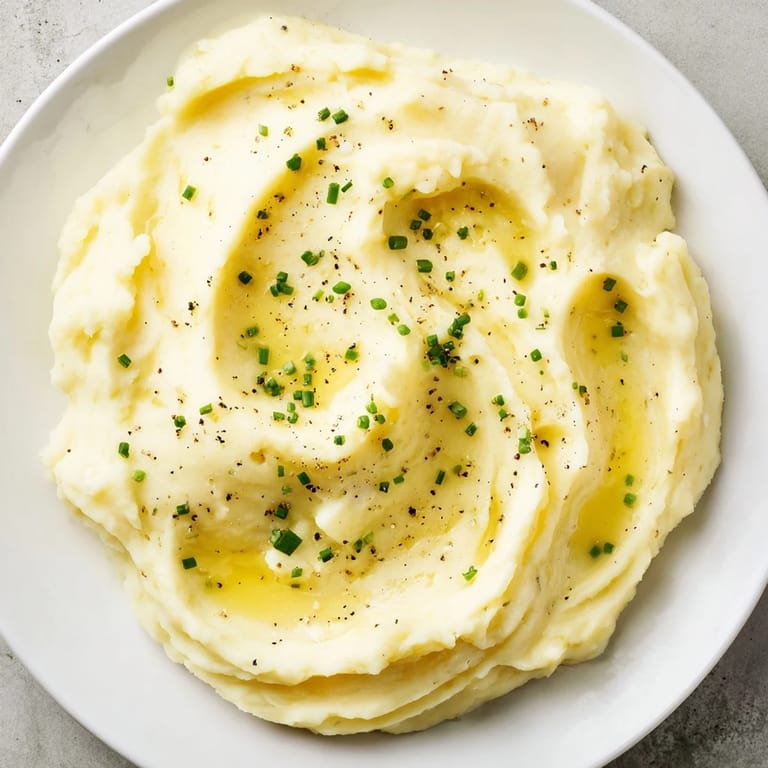
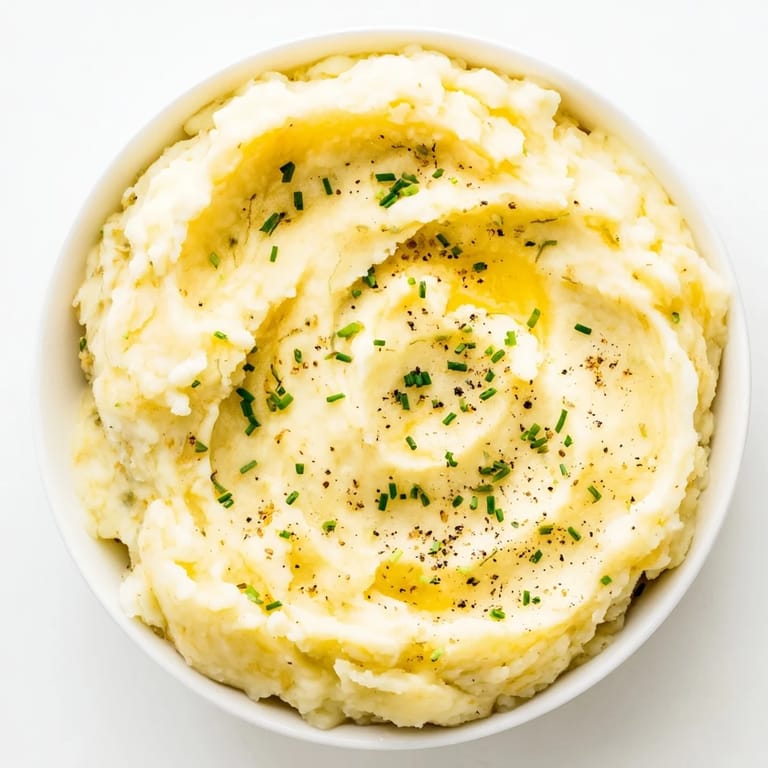
- Taste as you go and add salt and pepper until it tastes like something you'd want to eat, then stir in heavy cream or sour cream if you're using it. Transfer to a serving bowl, give it a final drizzle of butter if you're feeling fancy, and add fresh herbs on top.
 Pin it
 I'll never forget the year my grandmother let me be fully in charge of the potatoes for Thanksgiving, and I brought them to the table feeling genuinely proud. My uncle went back for thirds and said they were perfect, and something about that moment—being trusted with something traditional and having it turn out well—made me understand why people pass recipes down.
Texture and Temperature Matter
The temperature of your ingredients is actually doing more work than you'd think. Warm milk and butter that's not cold will blend smoothly into the hot potatoes instead of creating pockets of coldness that never fully mix in. I learned this the hard way once by using milk straight from the refrigerator, and I ended up with a batch that felt almost grainy no matter how much I mashed. Now I always warm the milk first, and the difference is immediate and obvious.
Flavor Variations That Work
Once you've got the basic technique down, mashed potatoes become a canvas for whatever you're in the mood for. Roasted garlic stirred in at the end brings depth, sharp cheddar melts into them beautifully, and even a handful of sautéed onions transformed a simple side dish into something people asked me to make again. I've learned that the best time to add these extras is right before serving, so the flavors stay bright instead of getting muted by sitting in the pot.
Make-Ahead Tips and Storage
You can peel and chunk your potatoes hours before cooking and keep them in a bowl of cold water in the refrigerator, which takes the pressure off on a busy dinner day. If you've already made them and they've cooled down, reheat gently on the stovetop with a splash of milk, stirring constantly so they warm through without tightening up. They're best served within a few hours of making them, but honestly, even day-old mashed potatoes still taste like comfort.
- Make them up to 4 hours ahead and keep them warm in a slow cooker on low, stirring occasionally so they don't dry out on top.
- Leftovers can be transformed into potato pancakes or topped with cheese for a quick brunch the next morning.
- If they do get too thick after sitting, a splash of warm milk and a gentle stir will bring them back to life.
 Pin it
 Mashed potatoes have a way of being the thing that gets eaten first and remembered last, but they shouldn't be overlooked. They're one of those dishes that prove the best cooking doesn't need to be complicated—it just needs to be made with the understanding that someone's going to sit down and feel a little bit more at home because of it.
Recipe FAQs
- → What type of potatoes work best?
Yukon Gold or Russet potatoes are ideal due to their fluffy texture when cooked and mashed.
- → How do I achieve extra creamy texture?
Adding warm milk and unsalted butter while mashing helps create a smooth, creamy consistency. Optional heavy or sour cream can enhance richness.
- → Can I prepare these potatoes ahead of time?
Yes, prepare in advance and reheat gently with a splash of milk or cream to maintain creaminess.
- → What tools simplify mashing?
Using a potato masher or a ricer produces the best silky smooth texture without lumps.
- → How should I season these mashed potatoes?
Season simply with salt and freshly ground black pepper. Garnishing with chopped fresh herbs adds subtle flavor and color.