 Pin it
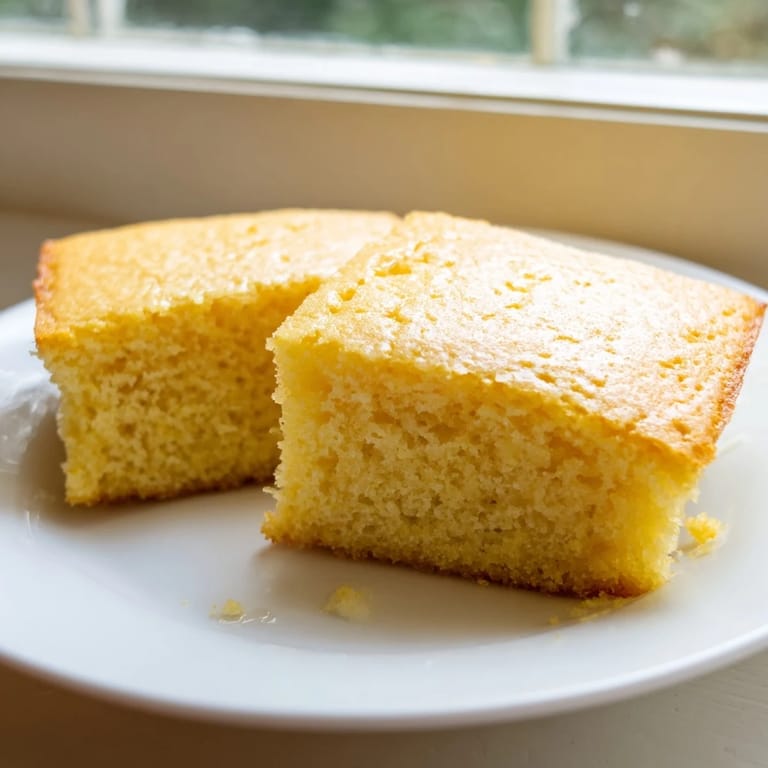
 My mom kept a cast-iron skillet on the back burner like it was sacred ground. One Saturday when I was helping her prep for a neighborhood potluck, she pulled out that dark, seasoned pan and told me cornbread was the one thing nobody could mess up. She was mostly right—what she didn't mention was how the smell of golden cornbread coming out of the oven would fill the entire house with this warm, comforting sweetness that made everyone gravitate toward the kitchen. I've made it countless times since, and it's become my go-to when I want something that feels both homey and impressive.
I once brought this cornbread to a winter chili competition at a friend's house, and I watched people go back for seconds of the bread before they'd even finished their bowls. That's when I realized cornbread isn't just a side—it's the thing people actually remember. The buttery richness mixed with that slight cornmeal grittiness and gentle sweetness creates something almost addictive, especially when it's still warm from the oven.
Ingredients
- Yellow cornmeal: This is the star—it gives cornbread its distinctive texture and subtle corn flavor that sets it apart from regular quick breads. Don't skip it or substitute with polenta; the granule size matters.
- All-purpose flour: Balances the cornmeal and creates structure so your cornbread stays tender rather than crumbly.
- Granulated sugar: A quarter cup is the sweet spot for American-style cornbread; you can dial it down if you prefer savory or up if you like it sweeter.
- Baking powder and baking soda: These two work together to give cornbread its rise and that light, fluffy crumb without needing yeast.
- Fine sea salt: Enhances all the flavors and keeps the sweetness from feeling cloying.
- Whole milk: If you have buttermilk on hand, use it instead for a tangier, slightly more tender result.
- Eggs: Bind everything together and add richness to every bite.
- Melted butter and vegetable oil: The butter adds flavor while the oil keeps the crumb moist and tender—using both is the secret to avoiding a dry cornbread.
- Honey: Optional, but if you add it, it deepens the sweetness and adds a subtle floral note.
Tired of Takeout? 🥡
Get 10 meals you can make faster than delivery arrives. Seriously.
One email. No spam. Unsubscribe anytime.
Instructions
- Get Your Pan Ready:
- Preheat your oven to 400°F and grease an 8-inch square pan or a 9-inch cast-iron skillet generously with butter or nonstick spray. If using cast iron, this is the perfect time to let it get warm in the oven for a minute—it helps the bottom develop that golden crust.
- Mix the Dry Team:
- Whisk together the cornmeal, flour, sugar, baking powder, baking soda, and salt in a large bowl until everything is evenly distributed. This step ensures your cornbread rises evenly and doesn't have pockets of unmixed baking soda.
- Combine the Wet Ingredients:
- In a separate bowl, whisk the milk, eggs, melted butter, oil, and honey (if using) until they're fully blended and smooth. Make sure the butter has cooled slightly so you don't scramble the eggs.
- Bring It All Together:
- Pour the wet ingredients into the dry ingredients and stir gently with a spatula until just combined—this is crucial. Overmixing develops gluten, which makes cornbread tough and dense; you want it tender and crumbly, so stop stirring as soon as you don't see any dry flour.
- Into the Oven:
- Pour the batter into your prepared pan and smooth the top gently with a spatula. Bake for 20 to 25 minutes until the top is golden brown and a toothpick inserted in the center comes out clean with just a few crumbs clinging to it.
- Cool and Slice:
- Let the cornbread rest in the pan for about 10 minutes before cutting into it. This allows the crumb to set just enough to slice cleanly without falling apart, and it's still warm enough to enjoy with a pat of butter.
 Pin it
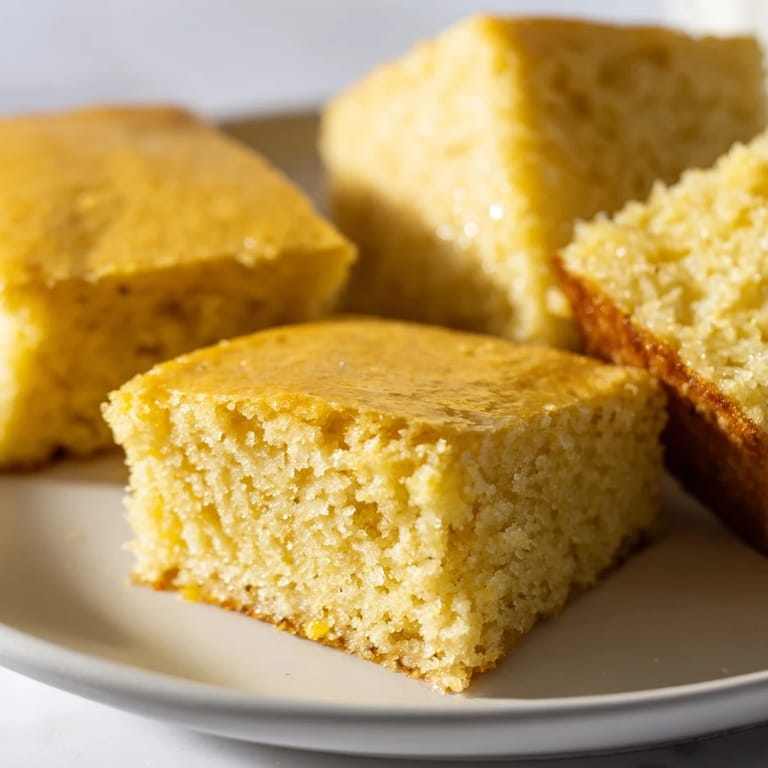
 There was this one time a neighbor dropped by right as my cornbread came out of the oven, and the smell alone convinced her to stay for dinner. We ended up eating it warm with honey butter while standing in my kitchen, talking about nothing in particular, and it became one of those small moments that felt bigger than it was. That's when cornbread stopped being just food and became an excuse to slow down.
Savory Twists That Work
If chili and barbecue feel too basic, try mixing in shredded cheddar cheese, chopped scallions, or a finely diced jalapeño directly into the batter. The cheese adds a sharp, salty note that balances the sweetness beautifully, while jalapeño brings heat and freshness. I've also crumbled cooked bacon into the batter before, and it turns cornbread into something you could almost eat as a meal on its own rather than just a side.
Making It Your Own
The beauty of cornbread is how forgiving it is—adjust the sugar down to 2 tablespoons if you want savory, or keep it at a quarter cup for that classic sweet-savory balance. If you don't have whole milk, buttermilk is genuinely better if you have it on hand because it adds tang and makes the crumb even more tender. For gluten-free versions, swap in a 1:1 gluten-free flour blend without changing anything else, and it works just as well.
Serving and Storage
Cornbread is best eaten warm, ideally within a few hours of baking, but it keeps well wrapped in foil for a couple of days. Reheat it gently in a 300°F oven for about 10 minutes to bring back that warm, tender quality. Pair it with honey butter for breakfast, or serve it alongside a bowl of chili or pulled pork for dinner.
- Make a batch on Sunday and you'll have an easy breakfast carb all week long.
- Cornbread is one of those things that gets better when you've made it a few times, so don't overthink it—your instincts will guide you.
- The cast-iron skillet trick really does work, so use one if you have it for that extra-crispy bottom.
 Pin it
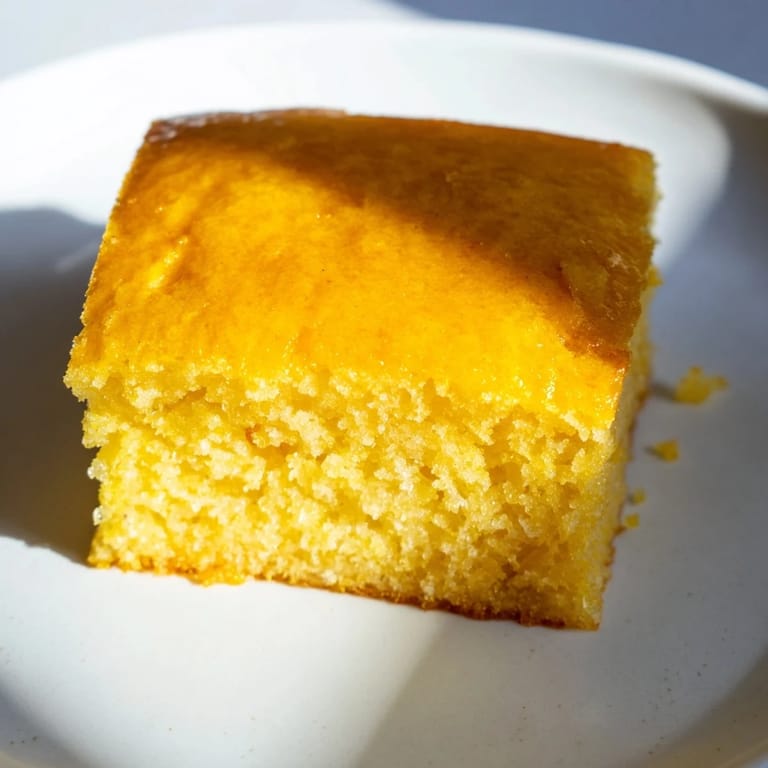
 Cornbread has a way of making any meal feel a little more like home. Make it once, and you'll understand why it's been a kitchen staple for generations.
Recipe FAQs
- → What type of cornmeal is best for this bread?
Yellow cornmeal gives the best texture and flavor, providing a traditional crumb and rich golden color.
- → Can I substitute the milk with buttermilk?
Yes, buttermilk adds a slightly tangier flavor and helps create a tender crumb.
- → How do I achieve a golden crust?
Baking at 400°F until the top is golden and a toothpick comes out clean ensures a perfect crust.
- → Are there variations to add savory flavors?
Yes, incorporating cheddar cheese, scallions, or jalapeño elevates the savory dimension.
- → Is it possible to make this gluten-free?
Substituting all-purpose flour with a gluten-free blend offers a gluten-free alternative with similar texture.
- → How should this bread be served?
Serve warm with honey butter or alongside chili and barbecue dishes for a balanced meal.