 Pin it
 The first time I opened a box of edible flowers at the market, a sweet floral scent mixed with citrus seemed to swirl up unexpectedly. It was an almost theatrical moment, with colors so vivid they promised something joyful. Spring, in my kitchen, is when I get most daring, and using these pressed blooms in cake felt like painting with ingredients. Sometimes inspiration is less about tradition and more about what catches your eye in the produce aisle.
There was an afternoon when a couple of friends dropped by unexpectedly, arms full of tulips and shouts of hello echoing into the kitchen. We ended up making this cake together, laughing when the flowers slipped in the frosting or deciding which petal went where. It was one of those moments when making something beautiful became its own celebration.
Ingredients
- Unsalted butter: Use room temperature butter for a fluffier, silkier crumb—if it's too cold, creaming takes ages.
- Granulated sugar: This gives sweetness but also a light, even texture—you'll want it fully dissolved for a tender bite.
- Large eggs: Room temp eggs help everything bind and set properly, which I learned after a curdle or two in early baking attempts.
- Vanilla extract: Adds warmth beneath all that citrus; go for good vanilla for best flavor.
- All-purpose flour: Sift to keep your crumb from getting dense; measuring properly makes all the difference.
- Baking powder: Fresh baking powder ensures your cakes rise tall—toss any that's been languishing in the cupboard.
- Fine sea salt: Just a pinch sharpens all the flavors.
- Whole milk: Bring to room temp for smooth mixing—it prevents lumps in your batter.
- Lemon zest: Zest straight over the bowl to capture all the fragrant oils.
- Freshly squeezed lemon juice: Bottle won't do; use fresh for ultra-bright curd.
- Powdered sugar: It dissolves seamlessly into the whipped cream for a cloud-like finish.
- Heavy cream: Well-chilled cream whips faster—pop your bowl into the fridge too.
- Pressed edible flowers: Only use ones labeled safe for eating, thoroughly checked and organically grown.
Tired of Takeout? 🥡
Get 10 meals you can make faster than delivery arrives. Seriously.
One email. No spam. Unsubscribe anytime.
Instructions
- Prepare your pans:
- Grease and line two 8-inch cake pans, letting the parchment reach the edges—a trick I learned to avoid sticky situations when turning out the cakes.
- Cream butter and sugar:
- Mix until the butter and sugar become light and almost mousse-like; the mixer should leave deep swirls in the bowl, signaling enough air has been whipped in.
- Add wet ingredients:
- Beat in the eggs one by one, followed by the vanilla and zest, breathing in as the citrus rises—the batter will look creamy and golden at this stage.
- Combine dry ingredients:
- In a separate bowl, whisk flour, baking powder, and salt; add in thirds to the wet mix, alternating with milk until just combined and smooth.
- Bake the cakes:
- Divide the batter evenly, smoothing the tops. Bake until they've risen and a toothpick comes out clean, with edges lightly golden—patience during cooling pays off later.
- Make lemon curd:
- Whisk eggs, sugar, juice, and zest over simmering water, stirring until thick—when the mixture coats your spoon, it’s done. Stir in butter off the heat, then let cool.
- Whip cream to finish:
- Whip the cream, powdered sugar, and vanilla together until stiff peaks form; the texture should be smooth and billowy.
- Layer and assemble:
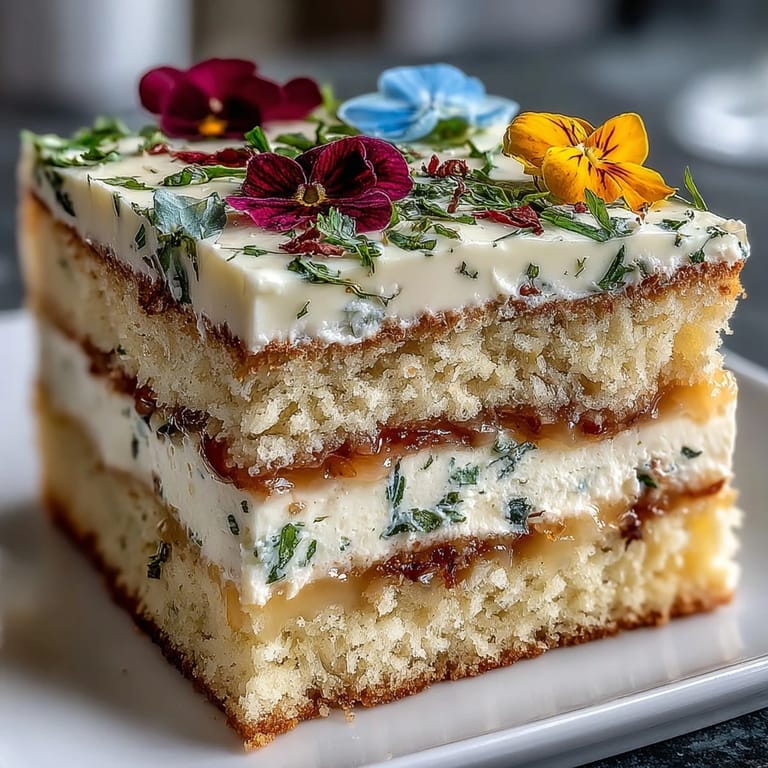
- Place one sponge on a plate, spread a generous layer of lemon curd, and top with the second cake.
- Frost and decorate:
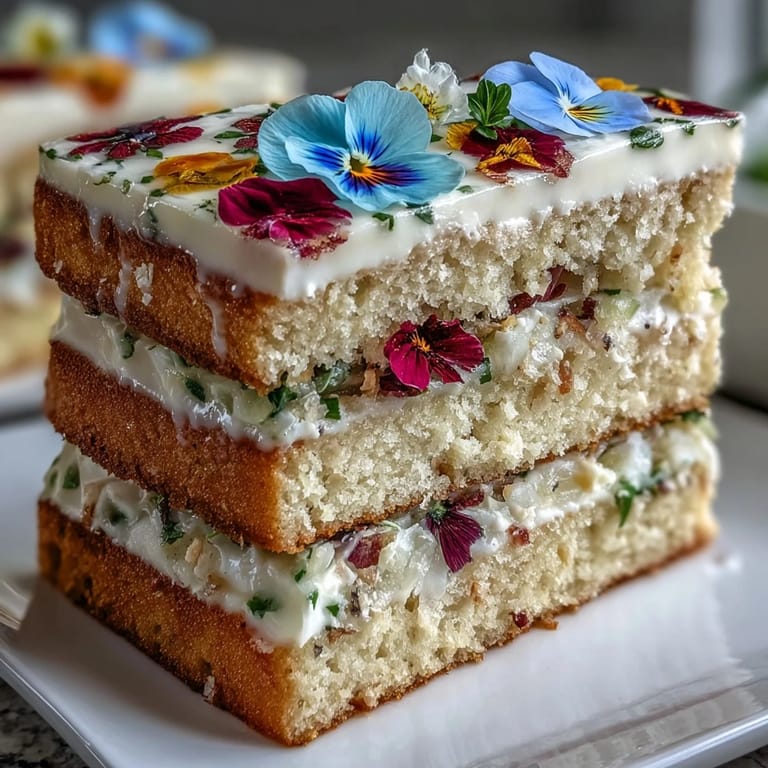
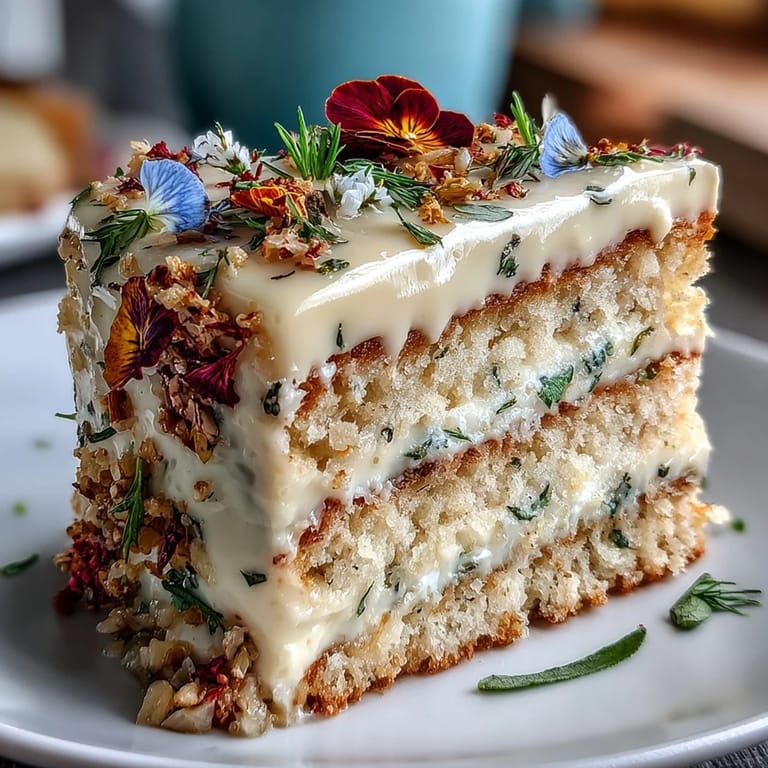
- Lightly cover the cake with whipped cream, smoothing the top and sides. Carefully press edible flowers into the surface—arrange thoughtfully, as it's surprisingly fun to treat the cake like a canvas.
- Chill before serving:
- Let the decorated cake set in the fridge for at least half an hour so the flowers stay crisp and colors vivid when sliced.
 Pin it
 Passing slices around at a table dotted with spring sunlight, I realized this cake made everyone pause and look a little closer before tasting. It was one of those rare desserts that started conversations before the first bite.
How to Pick and Press Edible Flowers
The best blooms for decorating are pansies, violets, and small nasturtiums—gentle in flavor and vibrant in color. Pressing takes a few days: layer flowers between parchment inside heavy books, and keep them somewhere dry. Always triple-check that your choice is safe to eat; garden center pansies don’t count unless marked organic and food-safe. Skipping pesticide-free guarantees is not worth the risk, no matter how pretty the flower.
Timing Tricks for Baking and Decorating
Often, I bake the cake layers a day early to get ahead, letting them sit wrapped at room temp. If rushing, cool cakes quickly on a wire rack—don't frost until completely cool or the cream will slide off in warm patches. Planning time for preparation makes the whole experience less chaotic and more enjoyable when it comes time to assemble and decorate.
Serving Suggestions and Pairings
A slice of this floral cake pairs wonderfully with a cup of Earl Grey, the bergamot echoing the lemon in every bite. It also sings alongside fizzy Moscato on a sunny afternoon, making it the centerpiece for tea parties or brunches. Lighter than buttercream-laden cakes, it's ideal for spring days when you're craving something elegant but not heavy.
- If storing, keep the finished cake chilled and enjoy within two days.
- Wipe your knife between slices to keep the decorations looking clean.
- Extra lemon curd can be spooned beside each serving or swirled into yogurt for breakfast.
 Pin it
 Whatever the occasion, this cake brings a splash of color and a moment of quiet delight. I hope it finds a place at your own spring table, too.
Recipe FAQs
- → How do I choose edible flowers for decorating?
Select organically grown edible flowers such as pansies, violets, or nasturtiums. Confirm they are free from pesticides and safe for consumption. Avoid flowers sourced from florists or roadsides.
- → What is the key to a light sponge texture?
Use room temperature ingredients and cream the butter and sugar until pale and fluffy. Mix the batter gently and avoid overworking to prevent a dense cake.
- → Can I make the components ahead of time?
The cake layers can be baked a day before and stored wrapped at room temperature. Assemble and decorate just before serving for best freshness.
- → How do I make lemon curd without curdling?
Whisk the eggs, sugar, juice, and zest constantly over gentle heat in a double boiler. Add butter off heat and cool fully before using as a filling.
- → What pairings complement this cake?
This cake goes well with Earl Grey tea or a light, sparkling wine such as Moscato to enhance the floral and citrus notes.